Shilajit and its amazing benefits
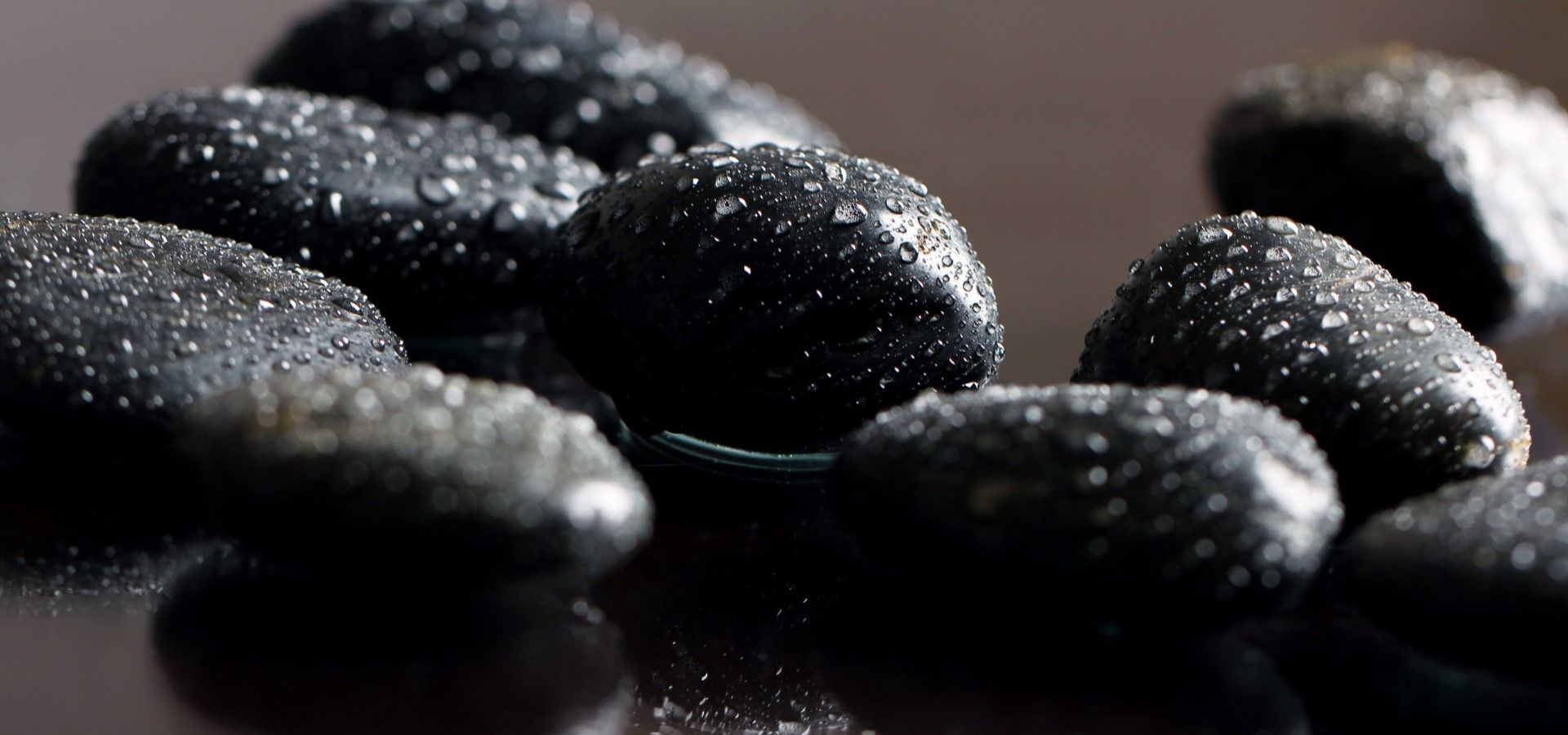
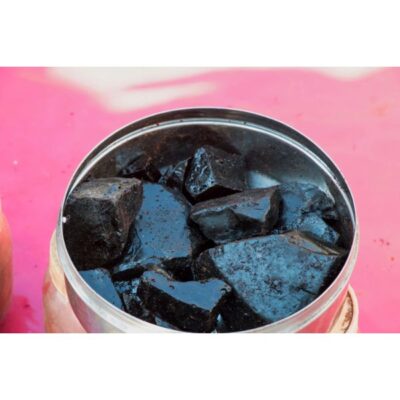
Shilajit is a substance commonly used in traditional Ayurvedic medicine. It is a sticky, tar-like substance found primarily in the rocks of the Himalayas, Altai Mountains, Caucasus Mountains, and other mountain ranges. Shilajit forms over centuries as a result of the decomposition of plant and microbial matter.
In Ayurveda, shilajit is considered a powerful rejuvenating and revitalizing agent. It is believed to have broad health benefits and is used to treat various ailments. Its traditional uses include:
Benefits of Shilajit
Nutritional composition
Shilajit has a complex nutritional composition, containing a variety of minerals, trace elements, amino acids, and organic compounds. The exact composition may vary depending on the geographic location and source of the shilajit. Some of the main components found in shilajit are:
Fulvic acid: Fulvic acid is one of the main bioactive compounds in shilajit. It is a type of humic acid rich in antioxidants. It has been studied for its ability to enhance nutrient absorption, support detoxification processes, and have anti-inflammatory and antioxidant effects.
Minerals: Shilajit is known for its rich mineral content, including important elements such as magnesium, calcium, iron, zinc, copper, manganese, and potassium. These minerals are essential for various physiological processes in the body and play a vital role in maintaining overall health and well-being.
Trace elements: In addition to major minerals, shilajit also contains various trace elements, including selenium, chromium, strontium, vanadium, and others. Trace elements are essential micronutrients, required in small amounts but playing a vital role in enzyme function, metabolism, and overall cellular health.
Amino acids: Shilajit contains a group of amino acids, the building blocks of proteins. These acids are essential for the synthesis of enzymes, hormones, neurotransmitters, and various other molecules in the body. Among the amino acids found in shilajit are histidine, lysine, methionine, phenylalanine, and valine.
Dibenzo-alpha-pyrone: Shilajit also contains dibenzo-alpha-pyrone, which is are bioactive compound that has been studied for its potential antioxidant and anti-inflammatory effects. These compounds are believed to contribute to some of shilajit’s therapeutic properties.
Energy and vitality
Shilajit has long been used as an energy tonic, believed to improve energy levels and boost vitality. Here’s how shilajit contributes to energy and vitality:
Mitochondrial function: Shilajit is believed to support mitochondrial function, which is essential for cellular energy production. Mitochondria are often referred to as the “powerhouses” of cells, producing adenosine triphosphate (ATP), the molecule that powers cellular processes. Bioactive components in shilajit, such as fulvic acid, may help improve mitochondrial activity, enhancing energy production and utilization in the body.
Adaptogenic Properties: Shilajit is classified as an adaptogen, meaning it may help the body adapt to stress and maintain balance. Chronic stress can deplete energy reserves and lead to fatigue. Shilajit’s adaptogenic properties are believed to enhance the body’s ability to cope with physical and mental stress, reducing its impact on energy levels and enhancing overall vitality.
Nutrient Absorption and Utilization: Shilajit contains fulvic acid, known for its ability to enhance nutrient absorption and utilization. By improving the absorption of essential nutrients, shilajit may support overall metabolic processes, including energy production. Efficient nutrient absorption and utilization also contribute to increased energy levels and vitality.
Improved oxygen utilization: Shilajit is believed to improve oxygen utilization in the body. Oxygen uptake and utilization can improve energy production, as oxygen is essential for efficient cell function and ATP production. By improving oxygen utilization, shilajit may help increase energy levels and reduce fatigue.
Endurance and Physical Performance: Shilajit is sometimes used by athletes and individuals seeking to improve their physical performance. It is believed to have ergogenic properties, which may improve endurance, stamina, and recovery. By supporting energy production, reducing oxidative stress, and improving oxygen utilization, shilajit may help improve physical performance and overall energy levels.
anti-aging properties
Shilajit is often associated with potential anti-aging properties due to its antioxidant effects and ability to support various physiological processes. Here’s how shilajit can contribute to its anti-aging benefits:
- Antioxidant activity: Shilajit is rich in antioxidants, including fulvic acid and other bioactive compounds. Antioxidants help neutralize harmful free radicals in the body, which are unstable molecules that can damage cells and contribute to aging and disease. By reducing oxidative stress, shilajit may help protect cells from damage and support overall health.
- Cell Regeneration and Repair: Shilajit is believed to stimulate cell renewal and repair processes. It may help promote the growth of new cells and tissues while assisting in the removal of damaged or aging cells. This rejuvenating effect may contribute to maintaining youthful skin, promoting tissue health, and possibly slowing the aging process.
- Collagen Synthesis: Collagen is a protein that provides structural support to skin, bones, tendons, and other tissues. Shilajit contains bioactive compounds believed to support collagen synthesis and maintenance. By promoting collagen production, shilajit may help improve skin elasticity, reduce the appearance of wrinkles, and support connective tissue health.
- Mitochondrial Support: As previously mentioned, shilajit is believed to improve mitochondrial function. Mitochondria play a pivotal role in energy production, but they can also produce free radicals as byproducts. By improving mitochondrial function and reducing oxidative stress, shilajit may help protect mitochondria from damage and support healthy aging.
- Cognitive Health: Cognitive decline is often associated with aging. Shilajit’s potential cognitive benefits may indirectly contribute to its anti-aging effects by supporting brain health. Its neuroprotective properties and ability to improve cognitive function, memory, and concentration may help maintain mental acuity and delay age-related cognitive decline.
cognitive function
Shilajit has been traditionally used to support cognitive function and is believed to have positive effects on mental clarity, concentration, and memory. Here’s how shilajit contributes to cognitive health:
- Neuroprotective Properties: Shilajit contains bioactive compounds that exhibit neuroprotective effects. These compounds may help protect brain cells from oxidative damage and inflammation, which are linked to cognitive decline and neurodegenerative diseases. By reducing the effects of these damaging factors, shilajit may support long-term brain health.
- Memory and learning: Shilajit is believed to improve memory and learning abilities. It may influence the production and release of certain neurotransmitters involved in memory formation, such as acetylcholine. By modulating neurotransmitter activity, shilajit may improve cognitive performance, including enhanced ability to recall information and learn.
- Enhanced Cognitive Abilities: Shilajit’s adaptogenic properties may contribute to enhanced cognitive abilities. Adaptogens are believed to help the body adapt to stress and promote overall balance. By reducing the negative effects of stress on cognitive functions, shilajit may improve mental performance, including concentration and mental alertness.
- Antioxidant and anti-inflammatory effects: Shilajit’s antioxidant and anti-inflammatory properties may indirectly support cognitive function. Chronic inflammation and oxidative stress can negatively impact cognitive health and contribute to age-related cognitive decline. Shilajit’s ability to reduce inflammation and oxidative damage may help maintain optimal brain function.
- Mood and stress management: Shilajit is sometimes used to support mental health and manage stress. Chronic stress can impair cognitive function and lead to cognitive fatigue. Shilajit’s adaptogenic properties and potential positive mood-regulating effects may help reduce the impact of stress on cognitive performance.
Immune system support
Shilajit is believed to have immune-boosting properties, although scientific research on its effects on the immune system is limited. Here’s how shilajit can contribute to immune support:
- Immunomodulatory Effects: Shilajit is believed to have immunomodulatory properties, meaning it may help regulate and balance the activity of the immune system. It is believed to have the ability to stimulate an appropriate immune response when needed and support overall immune function. By promoting a balanced immune system, shilajit may help the body resist infection and disease.
- Antioxidant activity: Shilajit is rich in antioxidants, such as fulvic acid, which can help reduce oxidative stress in the body. Oxidative stress can weaken the immune system and make it more susceptible to infection and disease. By neutralizing harmful free radicals, shilajit may support immune cell function and overall immune health.
- Anti-inflammatory effects: Chronic inflammation can disrupt immune function and increase the risk of various health conditions. Shilajit contains bioactive compounds with anti-inflammatory properties that may help reduce inflammation in the body. By reducing inflammation, shilajit may support a healthier immune response.
- Adaptogenic Properties: Shilajit is classified as an adaptogen, meaning it may help the body adapt to stress and promote overall balance. Chronic stress can affect immune function and make the body more susceptible to disease. Shilajit’s adaptogenic properties may help modulate the stress response and support the resilience of the immune system.
anti-inflammatory effects
Shilajit is believed to have anti-inflammatory effects, although scientific research in this area is still limited. Here’s how shilajit may exhibit anti-inflammatory properties:
- Bioactive Compounds: Shilajit contains several bioactive compounds, including fulvic acid, dibenzo-alpha-pyrones, and other organic compounds. These components have been studied for their potential anti-inflammatory effects. They may help modulate the activity of inflammatory mediators and enzymes, which may reduce inflammation in the body.
- Inhibiting inflammatory markers: Some studies have suggested that shilajit may inhibit the production or activity of inflammatory markers, such as cytokines and chemokines. These molecules play a role in initiating and amplifying the inflammatory response. By inhibiting their production or activity, shilajit may help reduce inflammation.
- Antioxidant activity: Shilajit exhibits antioxidant properties due to its fulvic acid and other antioxidants. Oxidative stress may contribute to inflammation by stimulating inflammatory pathways. Shilajit’s antioxidant activity may help neutralize free radicals and reduce oxidative stress, which may alleviate inflammation.
- Modulating the immune response: Shilajit’s immunomodulatory properties may also contribute to its anti-inflammatory effects. It is believed to help regulate the immune response, promoting a balanced immune system. By modulating immune activity, shilajit may help control excessive inflammation and promote healing of inflammatory processes.
sexual health
Shilajit has traditionally been used in Ayurvedic medicine as a natural remedy for various aspects of sexual health. Although scientific research on the specific effects of shilajit on sexual health is limited, it is believed to offer the following benefits:
- Sexual Desire: Shilajit is commonly associated with increased sexual desire. It is believed to have aphrodisiac properties, which may help boost libido and improve overall sexual satisfaction.
- Testosterone levels: Shilajit may have a positive effect on testosterone levels. Testosterone is a hormone that plays a key role in sexual health and performance. Some studies suggest that shilajit may support healthy testosterone levels, which may contribute to improved sexual function.
- Sperm quality and fertility: Shilajit’s potential effects on sperm quality and fertility have been studied. Some research suggests that shilajit may improve sperm motility, count, and morphology, which are important factors for male fertility.
- Erectile function: Shilajit is believed to have potential benefits for erectile function. It may improve blood flow to the genital area, which is essential for achieving and maintaining an erection. However, more research is needed to fully understand the extent to which shilajit affects erectile function.
- Stamina: Shilajit’s adaptogenic and energy-boosting properties may indirectly support sexual stamina. By enhancing overall vitality and reducing fatigue, shilajit may contribute to improved sexual performance and stamina.
How to use it
Usage instructions for shilajit may vary depending on its form (powder, resin, capsules) and the brand or product you are using. It is always recommended to follow the manufacturer’s instructions or consult a healthcare professional for personalized guidance. However, here are some general guidelines on how to use shilajit:
Shilajit resin:
- Take a small portion (usually the size of a pea) of shilajit resin.
- Dissolve the resin in warm water or milk. It may take some time to dissolve completely.
- Stir well until the resin is completely mixed with the liquid.
- Drink the mixture. You can take it on an empty stomach or with a meal, as desired and as directed by your doctor.
Shilajit powder:
- Measure the recommended dose of Shilajit powder according to the instructions or as advised by your healthcare professional.
- Mix the powder with warm water, milk, juice, or any other favorite beverage.
- Stir well until the powder is completely dissolved.
- Consume the mixture. You can also take it with or without food, depending on your personal preference and specific guidelines.
Shilajit capsules/tablets:
- Follow the dosage instructions provided by the manufacturer or as advised by your healthcare professional.
- Take the recommended number of Shilajit capsules/tablets with a glass of water or as directed.
- Some capsules can be taken with food, while others can be taken on an empty stomach. Please check the instructions or consult your healthcare professional to determine the best method.
It’s important to note that shilajit is an active ingredient, and dosage recommendations may vary depending on factors such as age, overall health, and specific health conditions. It’s always recommended to start with the lowest effective dose and gradually increase as needed while monitoring for any potential side effects. Additionally, if you have any underlying health conditions, are taking medication, or are pregnant or breastfeeding, it’s essential to consult a healthcare professional before using shilajit to ensure its safe and appropriate use for your condition.












Post Comment