
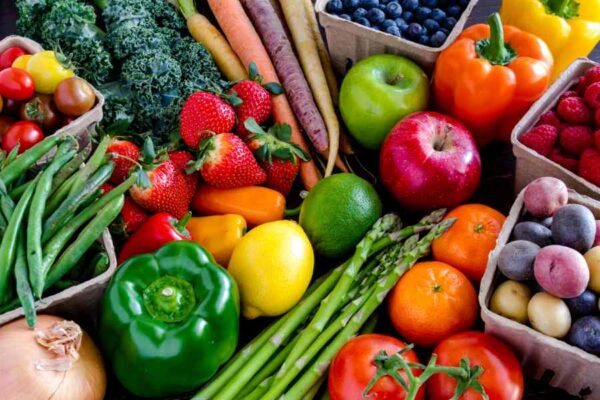
Eating more vegetables and fruits is one of the best things you can do for your overall health — both in the short term and over your lifetime. Here’s a long, detailed explanation of why that’s true:
- Rich in Essential Nutrients
Fruits and vegetables are loaded with vitamins, minerals, and antioxidants that your body needs to function properly.
- Vitamins: They provide vitamin C (important for immune function), vitamin A (for vision and skin), vitamin K (for blood clotting), and folate (for cell growth and repair).
- Minerals: Potassium helps control blood pressure, while magnesium supports muscle and nerve health.
- Antioxidants: Compounds like beta-carotene, lycopene, and flavonoids protect cells from damage caused by free radicals, reducing the risk of chronic diseases.
- Protects Against Chronic Diseases
A diet rich in fruits and vegetables can significantly lower your risk of major diseases:
- Heart disease: The fiber, potassium, and antioxidants found in produce help lower blood pressure and cholesterol.
- Diabetes: The natural fiber in vegetables and fruits slows sugar absorption, improving blood sugar control.
- Cancer: Many studies show that people who eat more plant-based foods have a lower risk of cancers such as colon, stomach, and breast cancer.
- Supports Healthy Weight Management
Fruits and vegetables are naturally low in calories and fat but high in fiber and water, which means they help you feel full without overeating.
- Eating salads, soups, or steamed vegetables before your main meal can reduce your total calorie intake.
- The fiber also slows digestion, preventing sudden spikes in blood sugar that can trigger hunger.
- Improves Digestion
Vegetables and fruits are the best natural sources of dietary fiber, which keeps your digestive system running smoothly.
- Fiber prevents constipation, promotes regular bowel movements, and feeds beneficial gut bacteria.
- A healthy gut microbiome improves nutrient absorption and supports immune function.
- Hydration and Detoxification
Most fruits and vegetables have a high water content, which helps keep your body hydrated.
- Water-rich foods like cucumbers, oranges, and watermelon contribute to daily hydration needs.
- Their natural enzymes and phytonutrients also help the liver and kidneys flush out toxins efficiently.
- Boosts Energy and Mood
The natural sugars, vitamins, and minerals in fruits and vegetables provide steady energy without the crash that comes from processed snacks.
- The B vitamins and magnesium help your body convert food into energy.
- Nutrient-dense foods also support brain chemistry, improving focus and reducing stress and fatigue.
- Slows Aging and Improves Skin Health
Antioxidants from colorful fruits and vegetables (like berries, spinach, and carrots) protect your cells from oxidative stress.
- This slows down aging processes and helps maintain healthy, glowing skin.
- Vitamin C also supports collagen production, which keeps skin firm and elastic.
- Encourages a Balanced Diet
When your meals include a variety of vegetables and fruits, you’re naturally replacing unhealthy, processed foods.
- You consume fewer artificial additives, refined sugars, and unhealthy fats.
- Over time, this shift improves both physical and mental well-being.
For these reasons, you should eat more vegetables and fruits every day. They nourish your body, protect against disease, support a healthy weight, and promote long-term vitality.
A simple rule: “Fill half your plate with fruits and vegetables” at every meal — your body will thank you in countless ways.