 11
11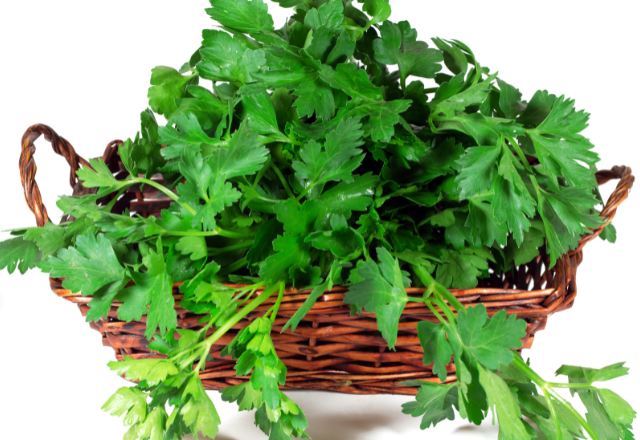
Parsley is highly flexible as it has many uses when cooking and preparing any hot or cold meals.
It supplies the body with antioxidants that can help reduce stress and anxiety levels.
parsley benefits
Parsley contains many antioxidants that are beneficial for the health of the body, such as flavonoids, carotenoids, and vitamin C They are compounds that reduce the risk of cell damage caused by free radicals, in addition to reducing the risk of certain diseases, Such as type 2 diabetes, colon cancer, and heart disease.
In addition, parsley contains lutein, beta-carotene, and zeaxanthin.; It is one of the types of antioxidants that help promote vision health and reduce the risk of eye diseases such as age-related ocular degeneration. It should be noted that beta-carotene is converted into vitamin A in the body; This explains the high content of parsley of this vitamin, which is essential for eye health.
Benefits of parsley, according to the degree of effectiveness Benefits There is insufficient evidence for its effectiveness
It should be n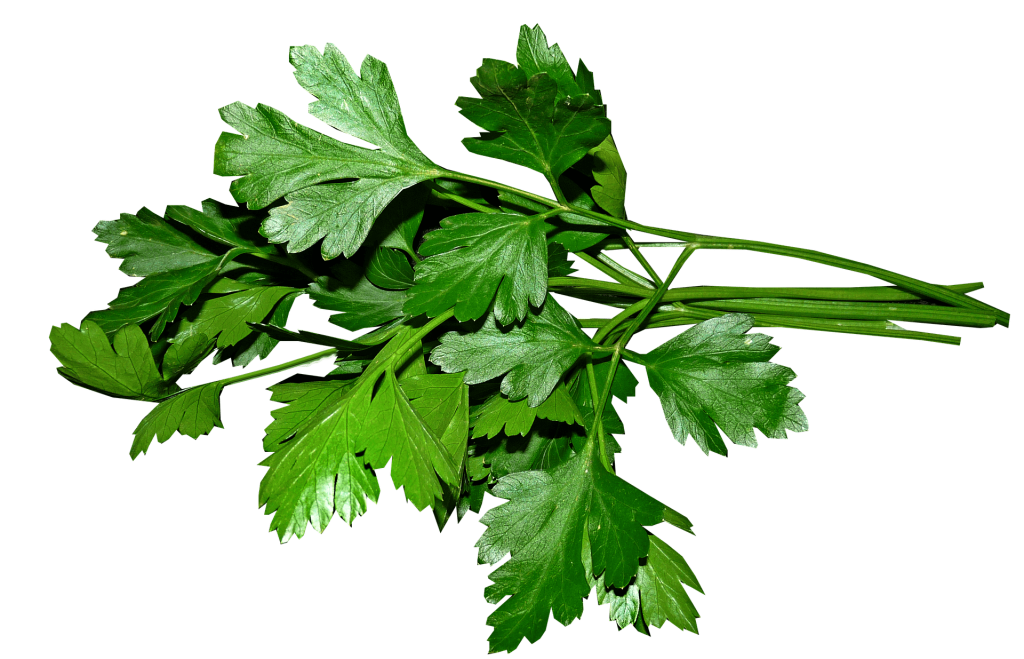 oted that these benefits are not confirmed, and still need more studies to prove their effectiveness, including:
Benefits of parsley for inflammation
Parsley has anti-inflammatory properties due to its antioxidant content. such as carotenoids, flavonoids, and vitamin C, [9] A preliminary study conducted on mice and published in the Journal of Immunopharmacology and Immunotoxicology in 2012 found that the essential oils extracted from parsley can help inhibit inflammation, one of the types of immunity, and pharyngeal cells.
Dried parsley benefits
Dried parsley can contain a higher amount of antioxidants than fresh parsley. A 2014 review published in the International Journal of Medicine found that 100 grams of dried parsley contained 1,584 milligrams of antioxidant phenols, which is more than 17 times the antioxidants. Available in the same amount of fresh parsley
Benefits of parsley for anemia
Parsley is one of the plant food sources rich in iron, whose consumption in larger quantities helps reduce the risk of anemia, which usually occurs as a result of lack of iron levels in the blood, but it should be noted that the body absorbs greater amounts of iron found in animal sources, and therefore it is recommended for people who They don’t eat meat by increasing the intake of iron-rich plant foods to ensure they get enough of it.
Benefits of cold parsley juice
A laboratory study published in Current Research in Nutrition and Food Science in 2016 found that parsley juice is rich in health-friendly antioxidants, polyphenols, and nitrites, which in turn contribute to fighting free radicals. [15] A preliminary study conducted on mice and published in the journal Behavioral and Brain Functions in 2016, indicated that this juice can contribute to improving the condition of people with cadmium poisoning, in addition to their behavior, the level of neurotransmitters and neurons and the level of glutathione; It is an antioxidant in their brain, in addition to reducing oxidative stress, as the occurrence of this poisoning is associated with behavioral disorders, changes in blood parameters, and other tissue-related diseases.
Benefits of boiled parsley
Boiled parsley is one of the ways in which parsley can be consumed to obtain its health benefits. Eating boiled parsley can provide many health benefits for the body, Such as improving breath smell, and other benefits mentioned above for parsley.
Benefits of parsley for the liver
A preliminary study in mice published in the Journal of Intercultural Ethnopharmacology in 2016 indicated that parsley extract can contribute to maintaining a healthy liver. It has been observed that it reduces the levels of cholesterol, triglycerides, and the levels of one of the byproducts of lipid peroxidation, among others, due to the antioxidants it contains. [18] But it should be cautioned here that excessive consumption of parsley, or eating it in medicinal quantities, may be harmful to the liver, and you can read more about that in the section on parsley damage.
Can the liver be cleaned with parsley?
As mentioned previously, the antioxidant content of parsley may contribute to maintaining the health of the liver [18], but there is no information that its use may help clean the liver, and there is no specific way to consume parsley for this. What is known as parsley tea can be prepared. By placing the leaves in a cup, add boiling water to them, soaking them for about 4 minutes, and then remove the leaves and drink the liquid.
Parsley and weight loss

A preliminary study published in the Journal of Biological and Pharmaceutical Bulletin in 2003, which was conducted on diabetic rats, indicated that giving them parsley extract reduced the weight of diabetic animals and maintained their blood sugar level.
Parsley side effects
Parsley is often considered safe when used in food quantities, while taking it in medicinal quantities and for a short period is potentially safe for most adults, but at the same time, it can cause allergic reactions in the skin in some people. As for taking pharmacological or very large quantities of parsley, it is often considered unsafe, as it may lead to some side effects, Such as anemia, and kidney or liver problems.
In addition, parsley can be eaten in nutritional quantities during pregnancy, but it is considered unsafe to eat it in large quantities during this period. As it may cause miscarriage, as some evidence indicated that eating a product containing a mixture of herbs; Including parsley during the first three months of pregnancy increases the chances of severe birth defects, therefore it is advised to avoid eating large quantities of it during this period, and it should be noted that there is insufficient information about the degree of safety of parsley during breastfeeding, and therefore it is recommended to eat it in nutritional quantities Just.
Disadvantages of using parsley
Parsley can lead to the body retaining sodium and salts, which leads to an increase in water retention in the body. There are some cases that should be careful when eating parsley, among which we mention the following:
Parsley drug interactions
Parsley consumption with some medications is associated with interactions.
An overview of parsley
Parsley (scientific name: Petroselinum crispum) belongs to the Apiaceae family. It is considered a perennial herbaceous plant that lives for only two years. It is cultivated for the use of its fresh leaves to decorate some dishes, Such as meat, fish, and vegetables, in addition to the use of dried leaves to flavor salads, sauces, soups, broth, eggs, and processed foods. They appear on newly grown plants, and in addition to this, the plant produces small yellow flowers.
Share this content: