Red Prickly Pear: The Cactus Fruit That Heals and Energizes Your Body
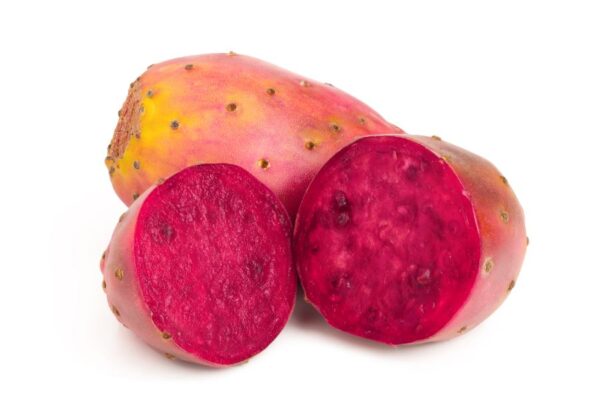
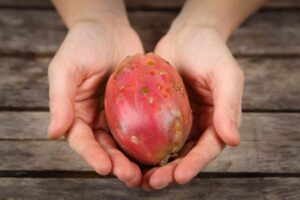
The red prickly pear, scientifically known as Opuntia ficus-indica, is one of nature’s most fascinating fruits. Grown on the cactus plant, it is both exotic and incredibly nutritious. Its vibrant red color, juicy flesh, and refreshing taste make it a favorite in many cultures, especially across the Mediterranean, Latin America, and North Africa.
But beyond its visual beauty, the red prickly pear hides an impressive array of health benefits that can transform your body from the inside out.
- Origins and Characteristics
The red prickly pear is native to Mexico, where it has been cultivated for centuries. It later spread to other warm, dry regions like Morocco, Egypt, and southern Europe. The plant itself is a type of cactus with thick, flat pads (called nopales) and a spiny outer skin protecting the fruit.
The red variety is particularly prized for its:
- Deep ruby-red color
- Sweet, slightly tart flavor
- High antioxidant content (especially betalains)
- Beautiful presentation in juices and salads
Each fruit is covered with small, nearly invisible spines — so it must be handled carefully and peeled before eating.
- Nutritional Value (Per 100 g of fresh fruit)
The red prickly pear is low in calories but rich in essential nutrients:
| Nutrient | Amount |
|---|---|
| Calories | ~40 kcal |
| Carbohydrates | 10 g |
| Dietary Fiber | 4–5 g |
| Protein | 1 g |
| Fat | <1 g |
| Vitamin C | 25–30 mg (30% of daily value) |
| Magnesium | 80 mg |
| Calcium | 56 mg |
| Potassium | 200 mg |
| Betalains & Flavonoids | High concentration |
It’s also a natural source of antioxidants, which help fight free radicals and slow down cellular aging.
- Health Benefits of Red Prickly Pear
A. Powerful Antioxidant and Anti-Inflammatory
The deep red color comes from betalains, powerful natural pigments that protect your cells from oxidative stress. These compounds help reduce inflammation, protect the liver, and prevent chronic diseases such as diabetes and heart disease.
B. Supports Heart Health
Red prickly pear helps lower bad cholesterol (LDL) and increase good cholesterol (HDL). Its potassium content supports normal blood pressure, while antioxidants protect blood vessels from damage caused by free radicals.
C. Regulates Blood Sugar
Studies suggest that compounds in the cactus fruit improve insulin sensitivity and reduce glucose absorption in the intestines — making it a valuable fruit for people with type 2 diabetes or those seeking to stabilize their blood sugar naturally.
D. Excellent for Digestion and Hydration
With its high fiber and water content, red prickly pear aids digestion, prevents constipation, and keeps you hydrated — especially in hot climates. The fiber also feeds good gut bacteria, supporting a healthy microbiome.
E. Boosts Immunity and Skin Health
Rich in vitamin C, it strengthens the immune system and supports collagen production — helping maintain youthful, elastic skin. The antioxidants also fight premature aging and sun-related skin damage.
F. Enhances Mental and Physical Energy
The natural sugars and micronutrients provide a gentle energy boost without causing blood sugar spikes. Many people find that eating red prickly pear helps reduce fatigue and improve focus.
G. Supports Liver Detoxification
Traditional medicine uses prickly pear juice to detoxify the liver. Modern research confirms that it helps protect liver cells from alcohol- and toxin-induced damage.
- How to Eat and Use Red Prickly Pear
Eating Fresh
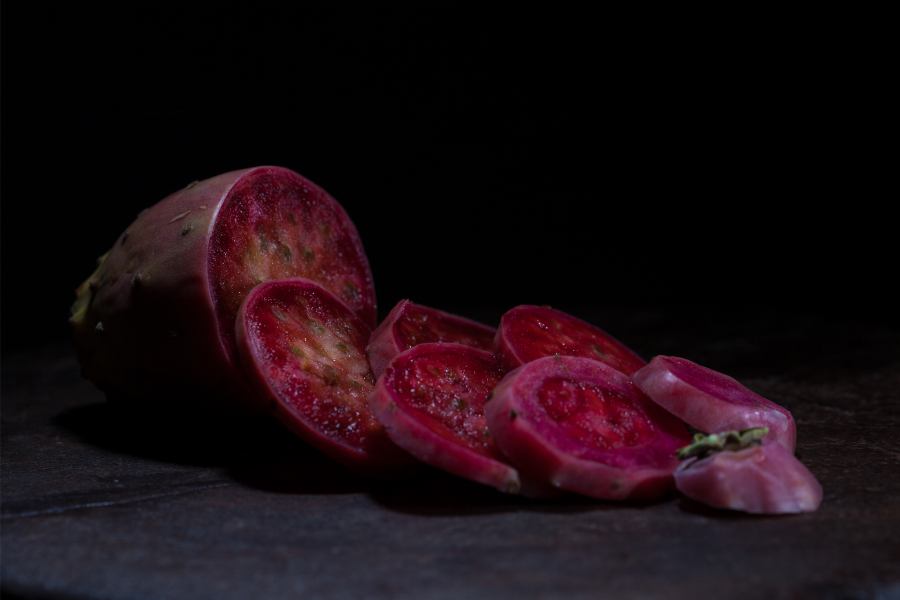
- Peel the outer skin carefully (using gloves to avoid spines).
- Eat the inner red pulp directly or scoop it out with a spoon.
- The seeds are edible but can be discarded if preferred.
In Juices or Smoothies
Blend the fruit with water or citrus juice for a refreshing detox drink. It pairs beautifully with lemon, orange, or mint.
In Jams, Desserts, and Salads
The pulp can be turned into:
- Sweet jams or syrups
- Sorbets and ice creams
- Fruit salads with melon, kiwi, or pomegranate
As a Natural Remedy
In folk medicine, red prickly pear juice is used to:
- Relieve hangovers
- Reduce inflammation
- Soothe stomach acidity
- Precautions and Tips
- Eat in moderation: overconsumption may cause mild digestive issues (like bloating or diarrhea).
- Diabetics should monitor their blood sugar closely, as it can slightly alter glucose levels.
- Always remove the outer spines carefully before handling the fruit.
- Choose fruits that are deep red and slightly soft to the touch — a sign of ripeness.
- Conclusion: A Superfruit Worth Adding to Your Diet
The red prickly pear is more than just a colorful fruit — it’s a natural treasure loaded with antioxidants, vitamins, and minerals. Whether you eat it fresh, blend it into juice, or use it for its medicinal properties, this cactus fruit supports your heart, skin, liver, and overall health.
Incorporating red prickly pear into your daily routine can help:
- Revitalize your body
- Strengthen your immunity
- Improve digestion
- And give your skin a youthful glow
It truly is one of nature’s hidden gems — a sweet, refreshing way to heal your body from within.










Post Comment