Introduction to Jujube Fruit
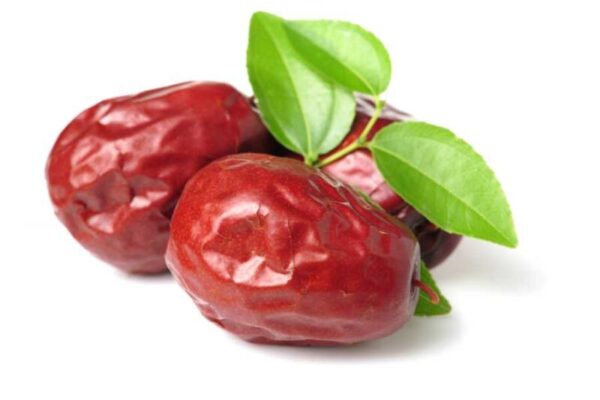
The jujube fruit (scientific name: Ziziphus jujuba), also known as red date or Chinese date, is the fruit of the wild jujube tree. This tree belongs to the Rhamnaceae family and is native to parts of Asia, particularly China, Korea, and India, though it is now cultivated in many regions around the world. Jujube trees are hardy, able to thrive in arid and semi-arid climates, making them an important fruit in areas with limited water resources.
Physical Characteristics
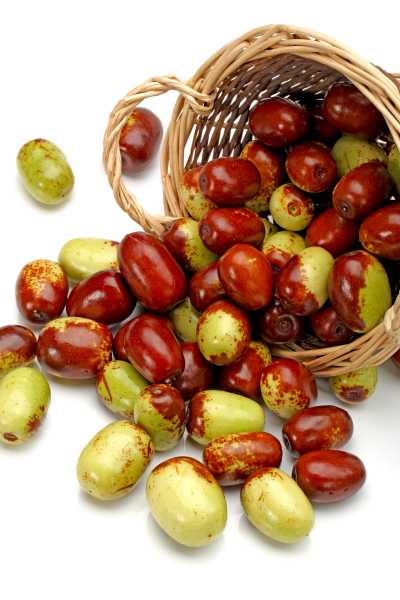
The fruit is typically small and oval or round, about 2–3 cm in diameter. When immature, jujube fruits are green and have a crisp texture similar to an apple. As they mature, they turn reddish-brown and develop a sweet, date-like flavor. Dried jujubes resemble dates in appearance, becoming wrinkled and chewy, which makes them suitable for long-term storage and use in traditional medicine or culinary applications.
The tree itself is relatively small to medium-sized, often 2–10 meters tall, with thorny branches and small, glossy green leaves. Wild varieties tend to have more irregular fruit shapes compared to cultivated types.
Nutritional Profile
Jujube fruit is a nutrient-dense fruit, offering several health benefits:
- Vitamins: Particularly high in Vitamin C, which supports the immune system, skin health, and antioxidant protection.
- Minerals: Contains potassium, phosphorus, iron, and calcium, contributing to heart, bone, and overall cellular health.
- Dietary Fiber: Supports digestion, promotes satiety, and helps regulate blood sugar.
- Bioactive Compounds: Rich in flavonoids, saponins, and polysaccharides, which have antioxidant, anti-inflammatory, and immune-boosting properties.
Culinary Uses
Jujube fruit is versatile and can be consumed in various forms:
- Fresh: Crisp and slightly tart when eaten raw, similar to an apple.
2. Dried: Often used in teas, soups, desserts, and traditional medicine. Dried jujubes have a concentrated sweetness and chewy texture.
3. Candied or Preserved: Common in Asian cuisine, especially in desserts or as snacks.
4. Juice and Extracts: Jujube extracts are increasingly popular in health drinks and supplements.
Its flavor profile, which ranges from mildly sweet to intensely sweet when dried, makes it suitable for both sweet and savory dishes.
Health Benefits
Jujube fruit has been celebrated in traditional Chinese medicine for over 4,000 years due to its multiple health-promoting properties:
- Immune Support: High vitamin C and antioxidant content help the body resist infections.
- Improved Sleep and Stress Reduction: Jujube extracts contain compounds that may have mild sedative effects and help reduce anxiety.
- Digestive Health: The dietary fiber supports gut motility and prevents constipation.
- Blood Circulation and Heart Health: Iron and potassium in jujube can help prevent anemia and maintain healthy blood pressure.
- Skin and Anti-Aging: Antioxidants combat free radicals, supporting skin health and slowing age-related damage.
Cultivation and Harvesting
Jujube trees are drought-tolerant and grow in a variety of soils, though they prefer well-drained, sandy loam. They typically flower in spring, producing small, white, or greenish-yellow flowers. The fruit matures in late summer to autumn, depending on the climate. Wild jujube varieties are often used for breeding programs due to their resilience and disease resistance.
The jujube fruit is more than just a small, sweet fruit; it is a nutritional powerhouse and a culturally significant plant in many parts of Asia. Its adaptability to harsh climates, long shelf life when dried, and rich array of health benefits make it a valuable fruit both in culinary and medicinal contexts.
Share this content: