foods for energy
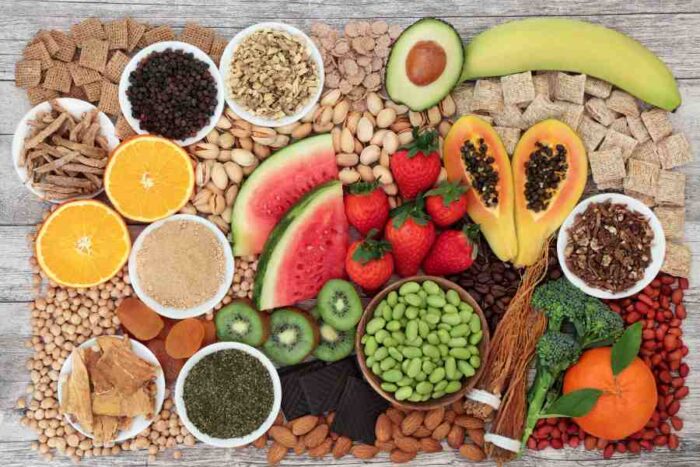
Foods for Energy: What to Eat to Stay Active and Focused All Day
Having consistent energy throughout the day isn’t just about how much sleep you get — it’s also deeply influenced by what you eat. The right foods can help you stay alert, productive, and physically active without the dreaded afternoon slump. In this article, we’ll explore in detail the best foods that provide long-lasting energy, how they work in your body, and how to combine them for maximum benefit.
- Whole Grains: Steady Fuel for the Body
Whole grains like oats, brown rice, quinoa, and whole wheat bread are excellent sources of complex carbohydrates — your body’s main source of energy. Unlike refined grains (white bread, pastries, etc.), whole grains are rich in fiber, which slows digestion and keeps blood sugar levels stable.
Why they’re powerful:
- Release glucose gradually into the bloodstream for sustained energy.
- High in B vitamins (especially B1, B2, and B3), which help convert food into energy.
- Contains iron and magnesium — essential for oxygen transport and muscle function.
Examples:
- Oatmeal for breakfast helps maintain stable energy until lunch.
- Quinoa is both a carb and a complete protein — perfect for lunch bowls.
- Fresh Fruits: Natural Sugars with Nutrients
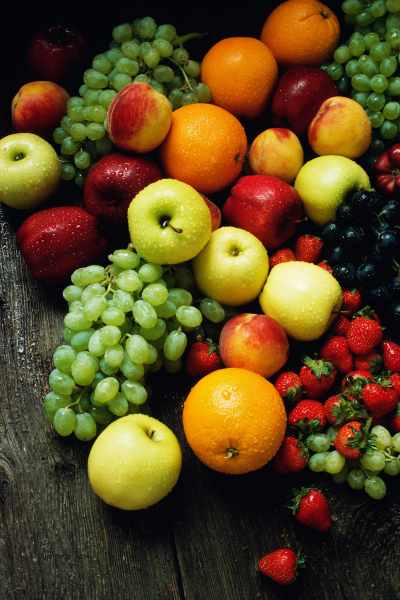
Fruits provide quick yet balanced energy thanks to their natural sugars, fiber, and hydration. They’re packed with vitamins, minerals, and antioxidants that support metabolic processes and fight fatigue.
Top choices:
- Bananas: Rich in potassium, vitamin B6, and carbohydrates, they’re ideal for instant energy before or after workouts.
- Apples: The fiber in apples slows the digestion of their natural sugars, offering longer-lasting energy.
- Oranges: High in vitamin C and folate, they boost immunity and reduce tiredness.
Tip: Combine fruit with a source of protein (like nuts or yogurt) to balance energy release and prevent sugar spikes.
- Nuts and Seeds: Compact Powerhouses of Energy
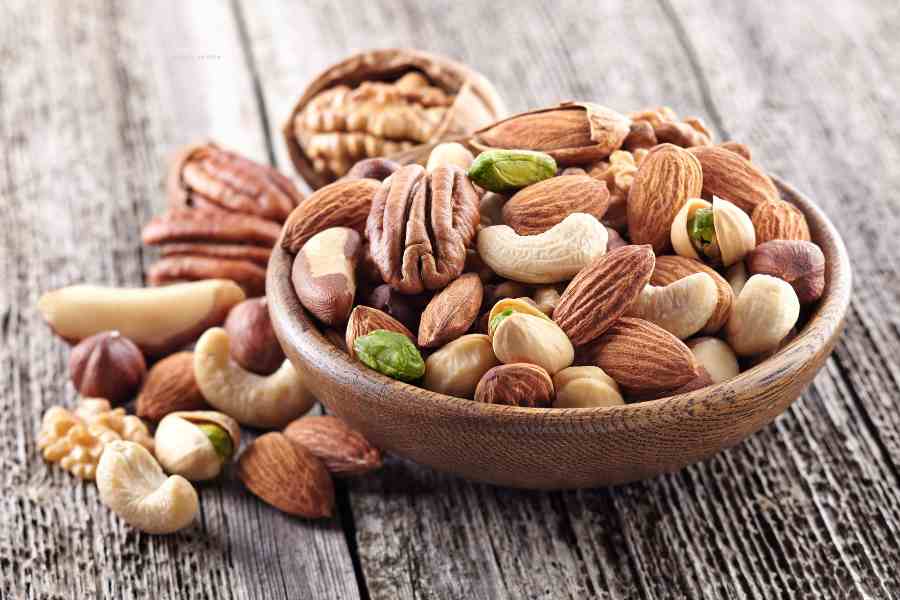
Nuts (almonds, walnuts, cashews) and seeds (chia, flax, pumpkin) are nutrient-dense foods full of healthy fats, protein, and fiber. They help you stay full longer and provide a steady stream of energy.
Nutritional benefits:
- Healthy fats (especially omega-3 and omega-6 fatty acids) promote brain function and endurance.
- Protein repairs tissues and sustains energy levels.
- Magnesium and iron support muscle contraction and oxygen delivery.
Energy tip: A small handful of mixed nuts makes an ideal snack between meals to avoid fatigue.
- Lean Proteins: Building and Sustaining Energy
Proteins are essential for repairing tissues and producing enzymes that regulate metabolism. Unlike simple carbs, protein takes longer to digest, providing a more prolonged energy source.
Best sources:
- Eggs: Contain all essential amino acids plus choline, which supports brain health.
- Chicken and turkey: Low in fat and high in B vitamins.
- Fish: Especially fatty fish like salmon or sardines, rich in omega-3s that enhance concentration.
- Legumes: Lentils, beans, and chickpeas are great plant-based proteins with complex carbs and fiber.
Pro tip: Combine protein with complex carbs — for example, grilled salmon with quinoa — for balanced, long-lasting energy.
- Vegetables: Nutrient Boosters for Endurance
Vegetables, particularly leafy greens, are low in calories but high in vitamins, minerals, and antioxidants that support energy metabolism.
Energy-boosting greens:
- Spinach and kale: Rich in iron, magnesium, and folate — key nutrients that fight fatigue.
- Sweet potatoes: Provide slow-digesting carbohydrates, vitamin A, and potassium.
- Broccoli: Contains chromium, which helps regulate blood sugar levels.
Eating a variety of colorful vegetables ensures your body gets the full range of nutrients for optimal energy production.
- Green Tea and Coffee: Natural Energy Enhancers
Caffeine, found in coffee and tea, stimulates the central nervous system, increasing alertness and concentration. But moderation is key — too much caffeine can cause jitteriness or energy crashes.
Green tea advantages:
- Contains L-theanine, an amino acid that promotes calm focus without the crash associated with coffee.
- Rich in antioxidants that fight fatigue and oxidative stress.
Best practice: Have your coffee or tea in the morning or early afternoon and stay hydrated to prevent dehydration-related tiredness.
- Hydration: The Foundation of Energy
Even mild dehydration can make you feel tired and unfocused. Water is essential for nutrient transport, temperature regulation, and metabolism.
Hydration tips:
- Drink water consistently throughout the day — don’t wait until you’re thirsty.
- Eat water-rich foods like cucumber, oranges, and watermelon.
- Herbal teas and coconut water also contribute to daily hydration.
- Balanced Meals for Sustained Energy
For lasting energy, balance is everything. Each meal should ideally include:
- Complex carbohydrates (whole grains, vegetables)
- Protein (lean meat, fish, legumes)
- Healthy fats (avocado, olive oil, nuts)
This combination ensures slow digestion, steady blood sugar, and continuous energy release.
True energy doesn’t come from energy drinks or sugar rushes — it’s built from nutrient-dense foods that nourish your body steadily. Focus on whole, unprocessed foods, eat regularly, and stay hydrated. By choosing the right fuel, you’ll not only feel more energetic but also improve focus, mood, and long-term health.











Post Comment