Doum Fruit: The Hidden Gem of Health and Wellness
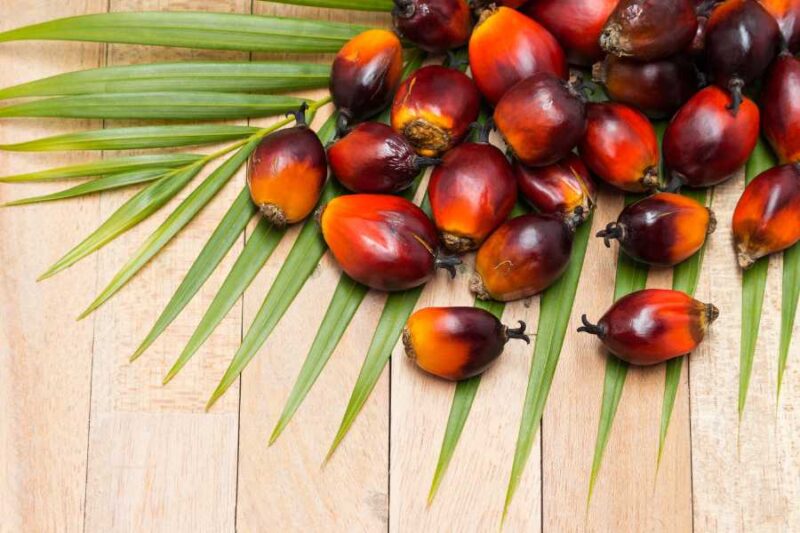
The doum fruit (scientifically known as Hyphaene thebaica) is a remarkable and often overlooked fruit native to regions of North Africa, the Middle East, and parts of East Africa. Known as the “gingerbread fruit” for its distinctive sweet, nutty flavor, doum has been valued for centuries not only as a food source but also for its medicinal and cultural significance. In this detailed article, we’ll explore its origin, nutritional profile, health benefits, traditional uses, and ways to incorporate it into modern diets.
- Origin and Botanical Description
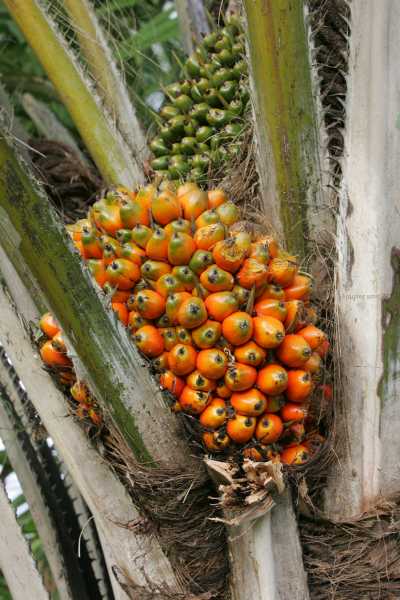
Doum fruit grows on the doum palm, a fan palm that thrives in arid and semi-arid climates. Unlike other palms, the doum palm is hardy and drought-resistant, making it a staple in desert regions. The tree produces round, brownish-orange fruits with a hard, fibrous outer shell and a sweet, starchy interior. The fruit is often compared to dates or figs in taste, though it has a more fibrous texture.
- Scientific name: Hyphaene thebaica
- Family: Arecaceae (palm family)
- Origin: Nile Valley, Sahara Desert, and parts of the Arabian Peninsula
- Appearance: Oval to spherical, rough brown skin, golden fibrous pulp inside
Doum palms can grow up to 15 meters high, and their fruits are typically harvested in late summer or early autumn. The fruit’s hardy nature allows it to store for months without refrigeration, making it an important survival food in desert climates.
- Nutritional Profile
Doum fruit is a nutritional powerhouse, offering a combination of carbohydrates, fibers, vitamins, and minerals. Its sweet taste comes from natural sugars, while its fibrous pulp contributes to digestive health. A 100-gram serving of doum fruit typically contains:
- Calories: ~330 kcal
- Carbohydrates: 78–82 g
- Dietary Fiber: 12–14 g
- Protein: 2–3 g
- Fat: 1–2 g
Vitamins: Vitamin C, B-complex vitamins, vitamin A
Minerals: Calcium, potassium, magnesium, phosphorus, iron
The high fiber content aids in digestion, while potassium and magnesium support heart health. Additionally, antioxidants in doum fruit help combat free radicals, which can reduce oxidative stress and support long-term health.
3. Health Benefits of Doum Fruit
Doum fruit has been traditionally used in folk medicine, and modern studies suggest several health-promoting properties:
a) Digestive Health
The high dietary fiber content in doum fruit promotes bowel regularity, prevents constipation, and supports a healthy gut microbiome. Its fibrous texture also aids in satiety, which can help regulate appetite.
b) Blood Sugar Regulation
Although sweet, doum fruit has a low to moderate glycemic index, making it a better alternative to refined sugars. Its fiber content slows sugar absorption, which may help regulate blood glucose levels, beneficial for those with diabetes.
c) Antioxidant and Anti-inflammatory Properties
Doum fruit contains bioactive compounds such as flavonoids and polyphenols, which have strong antioxidant properties. These compounds help neutralize free radicals, reduce inflammation, and protect against chronic diseases like heart disease and certain cancers.
d) Bone Health
Rich in calcium and phosphorus, doum fruit contributes to maintaining strong bones and teeth. Regular consumption may support bone density and overall skeletal health.
e) Heart Health
The combination of fiber, potassium, and magnesium in doum fruit helps regulate blood pressure, reduce cholesterol levels, and support cardiovascular health. Its antioxidants further protect the heart by preventing oxidative damage to blood vessels.
f) Immune Support
Vitamins and minerals in doum fruit, especially vitamin C, enhance immune function, improve resistance to infections, and promote overall wellness.
- Traditional and Cultural Uses
Doum fruit has a long history in North African and Middle Eastern cultures:
- Egypt: Often used to make a traditional beverage called sobia, especially during Ramadan.
- Sudan and Chad: Consumed fresh, dried, or ground into flour for baking.
- Medicinal Uses: Traditionally used for digestive issues, respiratory ailments, and as a natural energy booster.
- Religious Significance: In some regions, doum palms are considered sacred, and their fruits are used in rituals and ceremonies.
Its versatility as a food, medicine, and cultural symbol highlights its importance in these communities for centuries.
- How to Consume Doum Fruit
Doum fruit can be consumed in various ways depending on personal preference and preparation methods:
- Fresh: Peel the hard outer shell and chew the fibrous pulp.
2. Dried: Commonly used as a snack or ingredient in desserts.
3. Juice: Blend the pulp with water for a refreshing, naturally sweet beverage.
4. Powdered Form: Dried doum fruit can be ground into flour and used in baking or smoothies.
5. Tea: Some cultures boil doum fruit with spices to make a sweet, aromatic tea.
Its sweet, nutty flavor makes it compatible with both sweet and savory dishes, and it pairs well with dates, nuts, and spices like cinnamon or cardamom.
- Modern Uses and Potential
Doum fruit has gained attention in the health food industry due to its natural sweetness, high fiber content, and bioactive compounds. Researchers are exploring its use in:
- Natural energy bars
- Functional beverages
- Herbal remedies and supplements
- Gluten-free baking
Its potential as a superfood is becoming more recognized internationally, bridging traditional knowledge with modern nutrition science.
- Precautions
While doum fruit is generally safe for consumption, a few points should be noted:
- The hard shell must be removed before eating to avoid injury.
- Excessive consumption may cause digestive discomfort due to high fiber content.
- Individuals with certain metabolic disorders should monitor sugar intake.
As with any food, moderation is key to gaining its benefits safely.










Post Comment