Camel Milk: Nature’s Liquid Gold
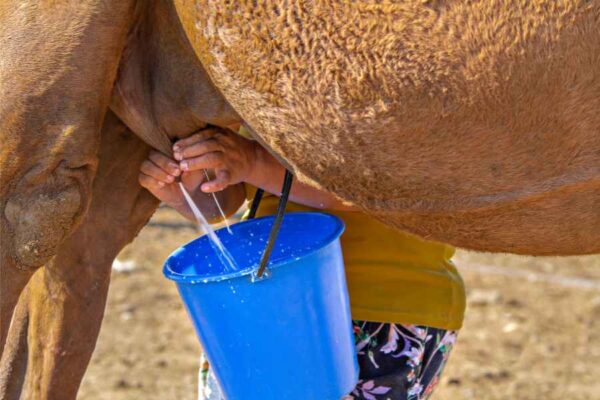
Camel Milk: The Ancient Superfood with Modern Health Benefits
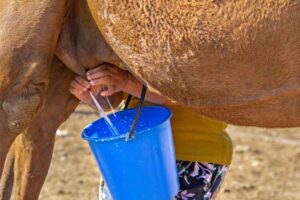
Camel milk has been consumed for thousands of years by nomadic cultures across the Middle East, Africa, and parts of Asia. Once considered a traditional drink of desert communities, camel milk is now gaining global attention as a powerful natural superfood. With its unique nutritional profile and impressive health benefits, camel milk is increasingly studied by scientists and embraced by health-conscious consumers worldwide.
A Brief History of Camel Milk
Camels have long been known as the “ships of the desert,” providing transportation, meat, and milk in some of the harshest climates on Earth. For centuries, camel milk has been a dietary staple for Bedouins and pastoral tribes, valued not only for its nourishment but also for its medicinal properties. Traditionally, it was used to treat fatigue, infections, and digestive problems.
Today, camel milk is no longer limited to desert regions. It is commercially produced in several countries and exported globally in fresh, powdered, and fermented forms.
Nutritional Composition of Camel Milk
Camel milk differs significantly from cow’s milk in both composition and health impact.
Rich in Essential Nutrients
Camel milk is packed with:
- High-quality proteins
- Essential amino acids
- Calcium, potassium, magnesium, and iron
- Vitamins B1, B2, B12, and C
One of its standout features is its high vitamin C content, which is up to three times higher than that of cow’s milk. This makes it especially valuable in arid regions where fruits and vegetables are scarce.
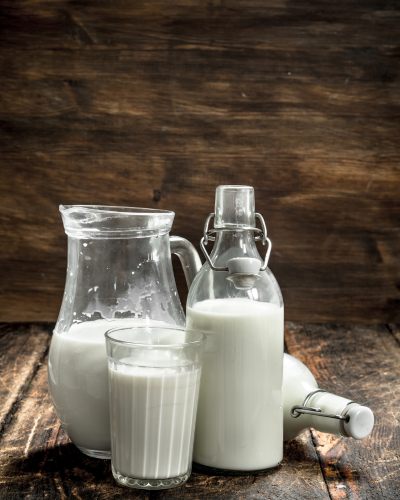
Lower Fat and Lactose Levels
Camel milk contains less fat than cow’s milk, and its fat is mostly unsaturated, making it easier to digest. It also has lower lactose levels, which helps people with mild lactose intolerance consume it with fewer digestive issues.
Health Benefits of Camel Milk
Boosts Immune System
Camel milk contains unique proteins such as lactoferrin, immunoglobulins, and lysozyme, all of which have antibacterial, antiviral, and antifungal properties. These compounds strengthen the immune system and help the body fight infections.
Supports Digestive Health
Thanks to its natural probiotics and anti-inflammatory proteins, camel milk helps improve gut health. It can soothe stomach ulcers, reduce acid reflux, and support healthy digestion.
Beneficial for Diabetes Management
One of the most researched benefits of camel milk is its potential role in managing diabetes. Camel milk contains insulin-like proteins that remain stable in the stomach and may help regulate blood sugar levels, particularly in people with type 1 diabetes.
Heart and Cardiovascular Health
Camel milk is low in cholesterol and rich in potassium, which helps regulate blood pressure. Its healthy fat profile supports heart health and reduces the risk of cardiovascular diseases.
Skin and Anti-Aging Benefits
The presence of antioxidants, vitamin C, and alpha-hydroxy acids makes camel milk beneficial for skin health. It promotes collagen production, improves skin elasticity, and may help slow the signs of aging. For this reason, camel milk is increasingly used in cosmetics and skincare products.
Potential Benefits for Autism and Allergies
Some studies suggest that camel milk may help reduce symptoms associated with autism, possibly due to its anti-inflammatory and antioxidant properties. Additionally, unlike cow’s milk, camel milk does not contain beta-lactoglobulin, a common allergen, making it a safer option for people with milk allergies.
Camel Milk vs. Cow Milk
| Feature | Camel Milk | Cow Milk |
|---|---|---|
| Vitamin C | High | Low |
| Lactose | Lower | Higher |
| Allergens | Fewer | More |
| Fat Type | Mostly unsaturated | More saturated |
| Digestibility | Easier | Harder for some people |
This comparison explains why many people switch to camel milk when they experience digestive or allergic reactions to cow’s milk.

Forms of Camel Milk Available Today
Camel milk is available in several forms:
- Fresh pasteurized milk
- Powdered camel milk
- Fermented camel milk (similar to yogurt or kefir)
- Camel milk cheese and ice cream
Each form retains many of the original nutritional benefits, though fresh milk is considered the most potent.
Sustainability and Economic Importance
Camels are highly sustainable animals. They require less water and food than cows and can survive in extreme climates. Camel milk production supports rural economies, promotes food security in arid regions, and represents a more environmentally friendly dairy alternative.
Camel milk is more than just a traditional beverage—it is a nutrient-rich, health-boosting superfood with growing scientific support. From strengthening immunity and improving digestion to supporting diabetes management and skin health, camel milk offers remarkable benefits that make it a valuable addition to modern diets.
As interest in natural and functional foods continues to rise, camel milk is poised to become a global health trend rooted in ancient wisdom.









Post Comment