 11
11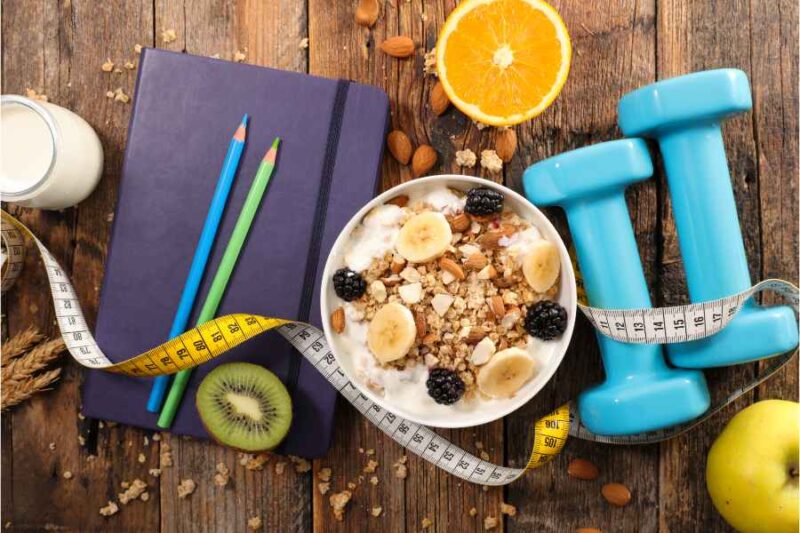
Losing weight in a healthy, sustainable way is not about strict dieting or depriving yourself of the foods you love. Instead, it’s about creating a balanced nutrition plan that nourishes your body, supports your metabolism, and helps you burn fat naturally. The key lies in balance, consistency, and smart food choices.
Understanding the Science of Weight Loss
At its core, weight loss is about creating a calorie deficit — consuming fewer calories than your body burns. However, not all calories are equal. A diet rich in nutrients supports your metabolism and helps preserve lean muscle, while empty calories (from sugar, fried foods, or processed snacks) slow progress.
Formula for Healthy Weight Loss:
Macronutrient balance:
Macronutrients Explained
Protein
Essential for muscle repair, metabolism, and satiety (feeling full).
Carbohydrates
Provide energy for the brain and muscles. Choose complex carbs that digest slowly and stabilize blood sugar.
Healthy Fats
Support hormones and brain health, and help absorb vitamins A, D, E, and K.
The Role of Micronutrients

Micronutrients (vitamins and minerals) are critical for fat metabolism and energy production.
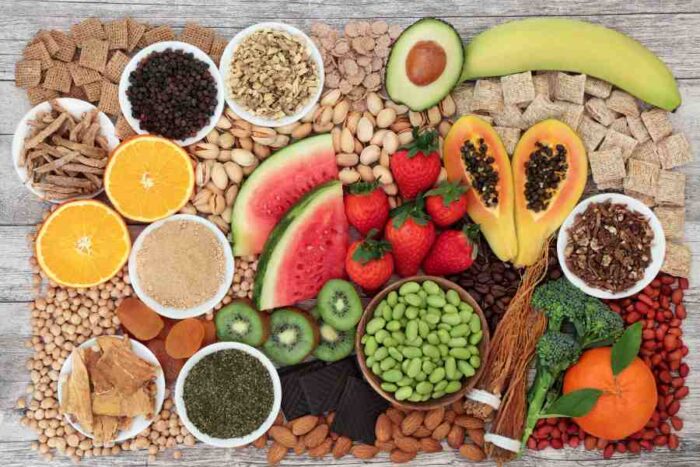
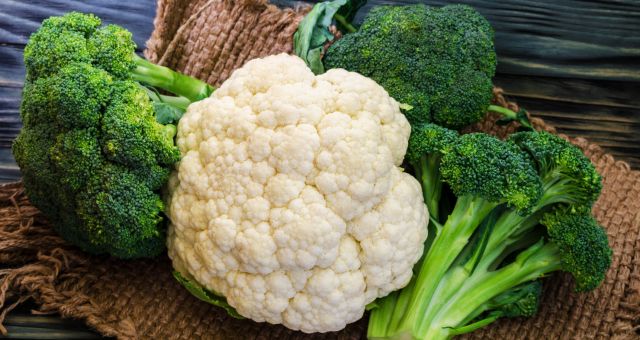
Eating a rainbow of fruits and vegetables ensures adequate micronutrient intake.
Ideal Daily Meal Schedule
A consistent eating routine helps regulate hunger hormones and keeps energy steady.
| Time | Meal | Examples |
|---|---|---|
| 7:00–8:00 AM | Breakfast | Oatmeal with banana and almonds, or scrambled eggs with whole-grain toast and avocado. |
| 10:00–11:00 AM | Snack 1 | Greek yogurt with berries, or a handful of nuts. |
| 1:00–2:00 PM | Lunch | Grilled chicken or tofu with brown rice and steamed vegetables. |
| 4:00–5:00 PM | Snack 2 | Apple with peanut butter, or carrot sticks with hummus. |
| 7:00–8:00 PM | Dinner | Baked salmon with quinoa and spinach salad. |
| Optional (if hungry) | Night Snack | Herbal tea or a small piece of dark chocolate (70%+ cocoa). |

300 Weight Loss Recipes – A Special Offer in the Field of High-Conversion Health and Diet
Hydration and Its Role in Weight Loss
Water is crucial for metabolism and appetite control. Dehydration can mimic hunger and slow digestion.
Tips:
Lifestyle Habits That Enhance Results
Sample 1-Day Balanced Diet Plan for Weight Loss

Total Calories: ~1500 kcal
Macros: Protein 30%, Carbs 40%, Fat 30%
Breakfast (350 kcal):
Snack (150 kcal):
Lunch (400 kcal):
Snack (150 kcal):
Dinner (450 kcal):
Common Mistakes to Avoid
The Mindset for Long-Term Success
Weight loss is a journey, not a quick fix. The most successful diet is the one you can maintain comfortably.
Focus on:
A balanced diet for weight loss combines the right proportions of protein, carbohydrates, and fats, along with fiber, vitamins, and minerals. When paired with exercise, hydration, and healthy lifestyle habits, it helps you lose fat safely while keeping your body nourished and energetic.
For more information, click here
Share this content: