Watercress
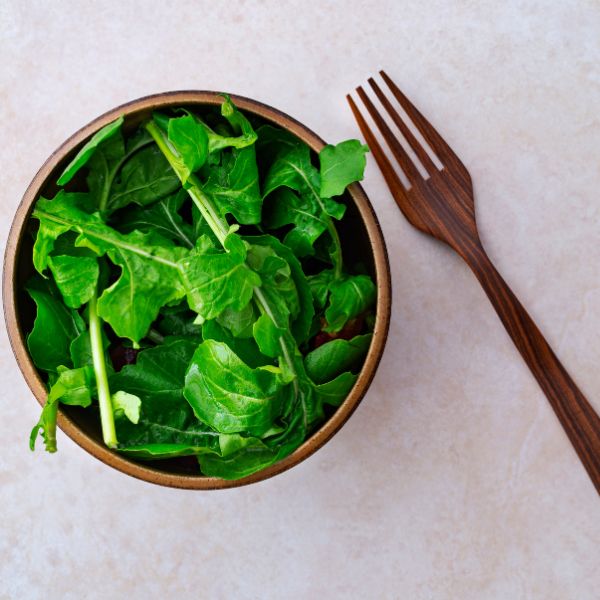
Like lettuce, watercress is a leafy vegetable, an annual herb that grows in moist soil and on the edges of canals and streams. It is eaten raw and used in salad dishes and is not usually cooked. It is widely cultivated in all Gulf countries and the Arab world. There are many types of it, such as garden cress, winter cress, bittercress, Indian watercress, stone watercress, and dry watercress. It must be picked before showing the pink buds. Rich in vitamins, especially vitamin C and minerals.
The benefits of watercress
Watercress is one of the most popular and beneficial leafy vegetables, as it is rich in many vitamins and minerals necessary for your health, so what are the benefits of watercress exactly?
Health benefits of watercress
1. Provides the body with minerals and vitamins
Watercress contains many minerals necessary for the body, vitamins, and various antioxidants.
Watercress is rich in iron, folic acid, iodine, phosphorus, calcium, vitamin A, vitamin C, and vitamin E, which are among the most powerful antioxidants, that make watercress a powerful anti-inflammatory.
2. Prevents aging
It was found that one of the benefits of watercress is to help prevent aging and skin cancer in particular, and it is also involved in the treatment of eczema and various skin infections.
Watercress works to help maintain healthy skin and healthy hair as well, and its iodine content is important for the functioning of the thyroid gland.
3. Prevents cancer
Dark-colored vegetables, such as watercress, broccoli, and cauliflower, are known to contain:
- Powerful antioxidants that counteract and fight free radicals.
- Phytochemicals that produce isothiocyanates show their potent anti-cancer effects.
Numerous researches have also proven the role of watercress in preventing cancer, especially breast, lung, colon, rectal, and prostate cancer, and it is effective in reducing the risk of leukemia and kidney cancer.
4. Relieves respiratory diseases
One of the benefits of watercress is that it can be used to treat upper respiratory infections, and it is also a food that is very rich in vitamin C, as it has been shown that this vitamin is important in reducing the risk of catching a cold.
5. Treats diseases of the digestive system
Watercress is used in the treatment of various diseases of the digestive system, as it is a tonic for the liver, and it is involved in the treatment of kidney stones and gout.
One of the benefits of watercress is

It is very high in dietary fibers that help fill the stomach and feel full, and because it is low in calories, this makes it a suitable option within the diet systems that aim to lose weight and maintain it.
6. It benefits diabetics
One of the benefits of watercress is that it contains a high amount of dietary fiber, which is ideal for the following:
- Reducing bad cholesterol levels in the blood.
- Controlling and regulating high blood sugar by slowing down its absorption in the intestine, and thus it may play a major role for diabetic patients.
7. Promotes heart health
The richness of watercress in potassium makes it play a role in controlling the level of blood pressure and lowering it. Potassium is known as an element that helps relax blood vessels and maintain fluid balance in the body.
Watercress also has a role in preventing atherosclerosis as it contains abundant amounts of lutein.
8. Promotes healthy eyes
Among the benefits of watercress is that
It contains high amounts of vitamin A and beta-carotene, in addition to containing lutein and zeaxanthin, which play a major role in:
- Maintaining healthy eyes.
- Reducing the chances of macular degeneration, which the elderly are frequently exposed.
Contraindications of eating watercress
After getting acquainted with the many health benefits of watercress, we mention the most important precautions related to eating watercress in the following:
- People who take blood-thinning drugs, such as warfarin, should avoid eating watercress, because watercress is rich in vitamin K, which may interfere with the action of these drugs.
- Be careful to put watercress in the refrigerator because it contains nitrates, which bacteria may convert to nitrite and cause contamination of watercress leaves, including vegetable juices that contain watercress.
- Caution for use by: Children under 4 years of age, people with stomach or intestinal ulcers, and those with inflammatory kidney disease.











Post Comment