

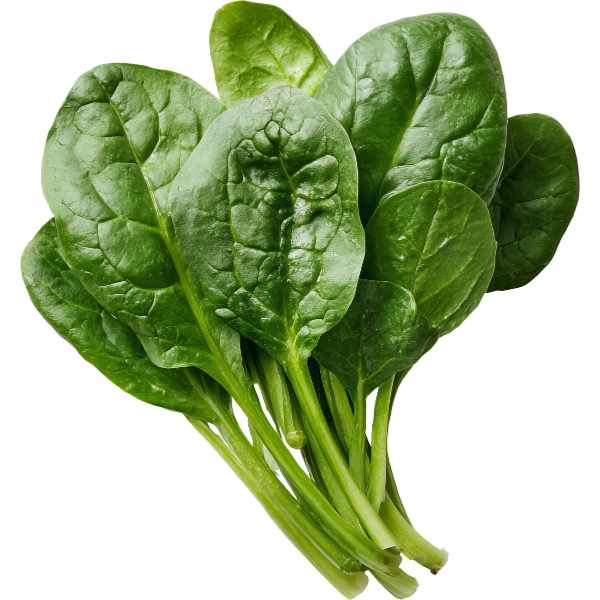
Spinach (Spinacia oleracea) is one of the most nutrient-dense leafy greens in the world, often considered a “superfood” because of its impressive nutritional profile and wide range of health benefits. Here’s a long, detailed explanation of the health benefits of spinach, supported by biological and nutritional insights:
- Rich in Essential Nutrients
Spinach is low in calories but packed with vitamins, minerals, and phytonutrients. A 100-gram serving provides:
Vitamins: A, C, K1, E, and several B vitamins (especially B2, B6, and folate).
Minerals: Iron, calcium, magnesium, potassium, and manganese.
Antioxidants: Lutein, zeaxanthin, beta-carotene, and chlorophyll.
Macronutrients: Mostly water (over 90%), some fiber, and a small amount of protein.
These nutrients support nearly every function of the human body, from energy production to blood health.
- Supports Heart Health
Spinach is excellent for cardiovascular protection. Here’s why:
Nitrate content: Spinach naturally contains high levels of nitrates, which the body converts into nitric oxide—a compound that relaxes blood vessels, improves blood flow, and reduces blood pressure.
Potassium and magnesium: Both minerals help regulate heart rhythm and counteract the effects of sodium, helping lower hypertension.
Antioxidants (especially lutein): They prevent oxidation of cholesterol, which reduces plaque buildup in arteries and lowers the risk of heart disease.
Eating spinach regularly has been linked to improved endothelial function and reduced risk of stroke and heart attack.
- Promotes Brain Health
Spinach contributes to better cognitive function and may help slow age-related mental decline.
Folate, vitamin K, and antioxidants support brain cell repair and protect neurons from oxidative damage.
Lutein and beta-carotene have been associated with better memory and processing speed in older adults.
Studies show that individuals who consume leafy greens daily may experience slower cognitive aging by up to 11 years compared to those who don’t.
- Strengthens Muscles and Bones
Spinach plays a role in both muscle performance and bone density:
Magnesium and potassium are key for muscle contraction and nerve function.
Vitamin K1 is essential for bone mineralization and helps anchor calcium in bones.
Calcium and phosphorus found in spinach contribute to bone strength, although the oxalates in spinach can slightly reduce calcium absorption.
Plant-based nitrates may improve muscle efficiency during exercise by enhancing oxygen utilization.
- Improves Blood Health
Spinach supports the formation of red blood cells and healthy circulation:
Iron: While it contains non-heme iron (less easily absorbed than animal sources), it still contributes to maintaining hemoglobin levels, especially when combined with vitamin C (which enhances absorption).
Folate (vitamin B9): Crucial for red blood cell production and prevention of anemia.
Vitamin K: Vital for blood clotting, ensuring proper healing, and preventing excessive bleeding.
- Powerful Antioxidant and Anti-inflammatory Effects
Spinach is a powerhouse of antioxidants that protect cells from oxidative stress:
Flavonoids and carotenoids (lutein, zeaxanthin, beta-carotene) neutralize free radicals that cause cellular damage.
These compounds help lower chronic inflammation, which is linked to diseases like arthritis, diabetes, and cancer.
Chlorophyll, the pigment responsible for its green color, may help detoxify the body by binding to harmful substances and promoting their excretion.
- Protects Eye Health

Spinach is one of the best foods for maintaining good vision and preventing age-related eye disorders:
Lutein and zeaxanthin, concentrated in the retina and macula, protect eyes from harmful blue light and oxidative stress.
Regular spinach consumption may reduce the risk of macular degeneration and cataracts.
Vitamin A (from beta-carotene) supports night vision and overall eye function.
- Aids in Digestion and Weight Management
Spinach is rich in dietary fiber, which helps regulate bowel movements, supports gut health, and prevents constipation.
Being low in calories and high in water content, it promotes satiety and aids weight loss.
It also contains thylakoids, plant compounds shown to reduce appetite and delay fat digestion, helping control hunger.
- Supports Immune Function
The high levels of vitamin C, vitamin E, and beta-carotene in spinach strengthen the immune system by supporting white blood cell activity and enhancing the body’s defense against infections.
Additionally, folate supports the production of new cells, crucial during immune responses.
- Skin and Hair Benefits
Vitamin A regulates oil production in skin pores and hair follicles, keeping skin and hair moisturized.
Vitamin C supports collagen production, which keeps skin firm and youthful.
The antioxidants in spinach help reduce UV damage and delay signs of aging.
Potential Precautions
While spinach is very healthy, there are a few things to keep in mind:
Oxalates: Spinach is high in oxalic acid, which can bind with calcium and form kidney stones in susceptible individuals.
Iron absorption: The non-heme iron in spinach is less bioavailable, so pairing it with vitamin C-rich foods (like citrus or tomatoes) improves absorption.
Cooking: Light steaming reduces oxalate levels and preserves nutrients better than boiling.
Spinach is one of nature’s most nutrient-packed vegetables, offering protection for the heart, brain, eyes, bones, and immune system, while supporting digestion and overall vitality. Whether eaten raw in salads, lightly steamed, or blended into smoothies, it’s a simple and powerful addition to a balanced diet.